Electrical Conductivity and Resistivity for Aluminum and Aluminum Alloys

Electrical Conductivity and Resistivity for Aluminum and Aluminum Alloys
Eddy current inspection
is often used to detect corrosion
, erosion
, cracking and other changes in tubing. Heat exchangers and steam generators, which are used in power plants, have thousands of tubes that must be prevented from leaking. This is especially important in nuclear power plants where reused, contaminated water must be prevented from mixing with fresh water that will be returned to the environment. The contaminated water flows on one side of the tube (inside or outside) and the fresh water flows on the other side. The heat is transferred from the contaminated water to the fresh water and the fresh water is then returned back to is source, which is usually a lake or river. It is very important to keep the two water sources from mixing, so power plants are periodically shutdown so the tubes and other equipment can be inspected and repaired. The eddy current
test method and the related remote field testing method provide high-speed inspection techniques for these applications.
 A technique that is often used involves feeding a differential bobbin probe
into the individual tube of the heat exchanger. With the differential probe
, no signal
will be seen on the eddy current
instrument as long as no metal
thinning is present. When metal
thinning is present, a loop
will be seen on the impedance plane
as one coil
of the differential probe
passes over the flawed area and a second loop
will be produced when the second coil
passes over the damage. When the corrosion
is on the outside surface of the tube, the depth of corrosion
is indicated by a shift in the phase lag
. The size of the indication
provides an indication
of the total extent of the corrosion
damage.
A tube inspection using a bobbin probe
is simulated below. Click the “null” button and then drag either the absolute
or the differential probe
through the tube. Note the different signal
responses provided by the two probes. Also note that the absolute
probe
is much more sensitive to dings and the build up of magnetite on the outside of the tube than the differential probe
is.
Aluminium prices dropped amid the improved availability for raw materials.
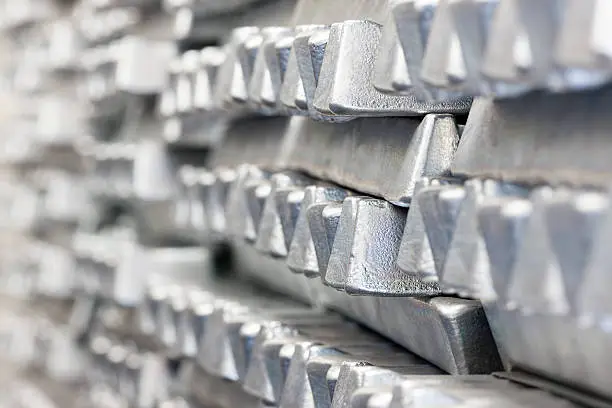
Aluminium prices dropped amid the improved availability for raw materials.
Aluminium prices slid by 1.63% to settle at ₹249.95, driven by improved raw material availability. Major alumina producers in Guinea, Australia, and China ramped up capacity after last year’s disruptions, pushing alumina prices near one-year lows and boosting processing rates for smelters. However, finished aluminium supply could face constraints ahead. Despite China producing a record 44 million tons of aluminium in 2024, output growth is expected to slow due to Beijing’s 45 million ton production cap, aimed at controlling oversupply and reducing carbon emissions.
Trade data showed subdued aluminium exports from China after the removal of tax rebates, prompting local producers to prioritize domestic sales, supporting foreign benchmark prices. In February 2025, China’s aluminium production increased marginally by 0.4% year-on-year but dropped by 95,000 metric tons from January, reflecting the impact of production resumptions and replacement projects amid recovering profitability. JP Morgan forecasts a significant global aluminium market deficit exceeding 600,000 metric tons by 2025, fueled by supply slowdowns, particularly from China. The International Aluminium Institute reported a 2.7% year-on-year rise in global primary aluminium output to 6.252 million tons in January.
Technically, aluminium is in long liquidation, with open interest plunging by 39.38% to settle at 699 contracts. The metal now has support at ₹248, with a further downside test possible at ₹246.1. Resistance is seen at ₹253.2, and a breakout could push prices toward ₹256.5.
Aluminium prices fell by 1.32% to settle at ₹246.3
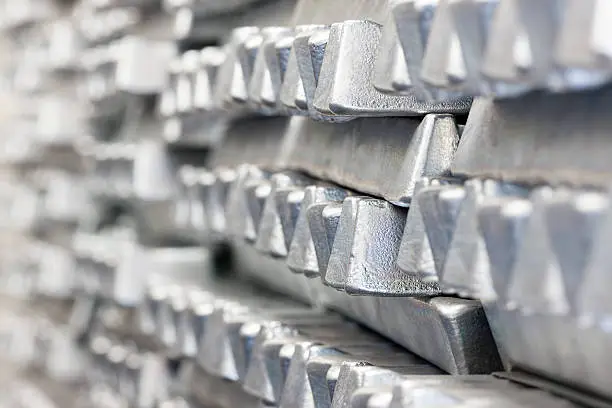
Aluminium prices fell by 1.32% to settle at ₹246.3
Aluminium prices fell by 1.32% to settle at ₹246.3, weighed down by concerns over impending U.S. tariffs set to take effect this week. However, the downside was limited by encouraging factory data from China, which showed its manufacturing activity expanded at the fastest pace in a year in March. Additionally, aluminium inventories in warehouses monitored by the Shanghai Futures Exchange rose by 1.4% from last Friday, adding pressure to prices. On the supply side, major alumina producers in Guinea, Australia, and China ramped up capacity following disruptions last year, leading to a decline in alumina prices and improved processing rates for smelters.
Despite this, global primary aluminium output in February declined by 0.9% year-on-year to 5.645 million tonnes, according to the International Aluminium Institute. China, the world’s top aluminium producer, recorded an output of 44 million tonnes in 2024, but production growth is expected to slow as Beijing maintains its cap of 45 million tonnes to curb excess supply and meet carbon reduction targets. Trade data also revealed muted Chinese aluminium exports after the government ended tax rebates on overseas sales, pushing up foreign benchmark prices as domestic producers prioritized local markets.
Technically, the aluminium market is under fresh selling pressure, with open interest increasing by 1.76% to 3,650 contracts. Support is seen at ₹245.2, with further downside possible to ₹244.1, while resistance is at ₹248, with a breakout potentially driving prices to ₹249.7.
Testing Mail

Testing Mail
Comment mail checkcing
Vedanta Aluminium
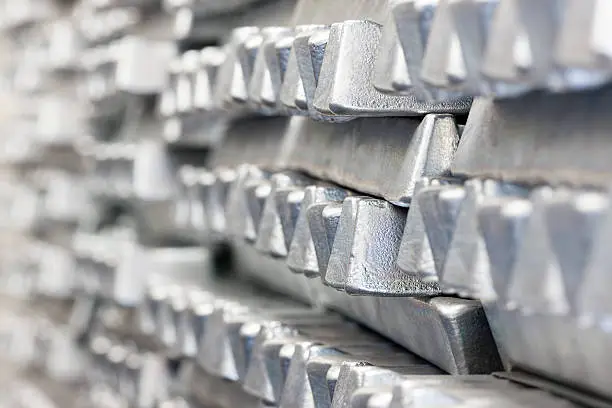
Vedanta Aluminium
Aluminium is a silvery-white, lightweight metal. It is soft and malleable. Uses. Aluminium is used in a huge variety of products including cans, foils, kitchen utensils, window frames, beer kegs and aeroplane parts.
Aluminium is a silvery-white, lightweight metal. It is soft and malleable. Uses. Aluminium is used in a huge variety of products including cans, foils, kitchen utensils, window frames, beer kegs and aeroplane parts.Aluminium is a silvery-white, lightweight metal. It is soft and malleable. Uses. Aluminium is used in a huge variety of products including cans, foils, kitchen utensils, window frames, beer kegs and aeroplane parts.Aluminium is a silvery-white, lightweight metal. It is soft and malleable. Uses. Aluminium is used in a huge variety of products including cans, foils, kitchen utensils, window frames, beer kegs and aeroplane parts.
Tiitle

Tiitle
Message Body
How to Drive the car
How to Drive the car
Learn from Salman Khan
🌟 Welcome to our *Ultimate* 🎉 Guide on Blogging! 🎉 Discover the secrets to crafting an engaging blog 📖 that keeps readers coming back. 😊 !!!“”””””””

🌟 Welcome to our *Ultimate* 🎉 Guide on Blogging! 🎉 Discover the secrets to crafting an engaging blog 📖 that keeps readers coming back. 😊 !!!“”””””””
🌟 Welcome to our *Ultimate* 🎉 Guide on Blogging! 🎉 Discover the secrets to crafting an engaging blog 📖 that keeps readers coming back. 😊
**Here’s what we’ll cover:**
1️⃣ Introduction to Blogging: Tips & Tricks 📝
2️⃣ SEO Basics 🔍 – Make Google ❤️ your blog!
3️⃣ Content that Resonates 🎯 (with real-life examples 💡)
4️⃣ Engaging with Readers 📬 – how comments, likes 👍, and shares 🔗 can boost your reach!
Why should you blog? Here’s what other top creators say:
> “Blogging transformed my career.” 🌠
🚀 **Ready to dive in? Let’s get started!**
Be sure to *bookmark* this guide, comment your thoughts below ⬇️, and follow our page for more updates! 🎊
💻 Visit us at: [yourwebsite.com](http://yourwebsite.com) ✨ and stay connected on social:
– Facebook 👍
– Instagram 📸
– Twitter 🐦
Happy Blogging! 🎈💬💌
#blogging #contentcreation #SEO #growthtips 🚀🌱
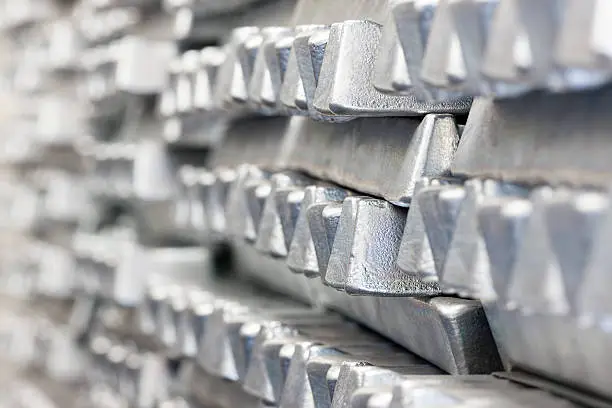
Aluminium
Aluminium
1. The Basics of Aluminum
-
What is Aluminum?
Explain aluminum’s unique properties—lightweight, durable, corrosion-resistant, and conductive—and why it’s so widely used across industries. -
The Journey from Ore to Metal:
Describe the aluminum extraction process, from bauxite mining to refining through the Bayer process, and how it’s ultimately turned into usable metal via smelting. -
Aluminum Grades and Alloys:
Discuss different aluminum alloys and their specific applications, explaining how certain grades are more suitable for particular uses, such as aerospace or food packaging.
2. Aluminum in Everyday Life
-
Automotive and Aerospace Applications:
Explore aluminum’s role in car manufacturing and aviation, where it helps reduce weight, improve fuel efficiency, and contribute to sustainability. -
Electronics and Consumer Goods:
Showcase how aluminum’s conductive properties make it ideal for electronics, from laptops to smartphones, and highlight some common household products made with aluminum. -
Construction and Architecture:
Cover aluminum’s uses in building materials, especially in green buildings and modern architecture, due to its durability, low maintenance, and recyclability.
3. Sustainability and Recycling
-
Aluminum Recycling Process:
Explain how aluminum is one of the most recyclable materials and the steps involved in recycling, emphasizing the environmental benefits, like reduced energy consumption. -
Sustainability in the Aluminum Industry:
Discuss how aluminum supports eco-friendly practices, helping industries achieve sustainability targets by reducing the carbon footprint and conserving natural resources. -
The Role of Aluminum in a Circular Economy:
Explore the concept of a circular economy, where aluminum can be endlessly recycled, and how industries are working towards making the aluminum lifecycle sustainable.
4. Aluminum Industry Trends and Innovations
-
New Alloy Developments:
Highlight breakthroughs in alloy compositions aimed at enhancing strength, flexibility, and weight, and explore applications in emerging industries like electric vehicles. -
Green Production Practices:
Cover efforts by aluminum producers to adopt renewable energy sources, reduce greenhouse gas emissions, and promote energy-efficient practices in manufacturing. -
Advanced Coating and Finishing Techniques:
Examine innovative ways to treat aluminum surfaces, including anodizing, powder coating, and nano-coatings for improved durability and aesthetics.
5. Challenges in the Aluminum Industry
-
Supply Chain and Raw Material Availability:
Discuss issues in sourcing bauxite and fluctuations in the aluminum supply chain, along with potential geopolitical factors and trade impacts. -
Addressing Environmental Concerns:
Delve into the environmental impact of mining, smelting, and refining, and describe industry initiatives to reduce these impacts, such as responsible mining practices. -
Market Competition and Alternatives:
Compare aluminum with other materials like steel, titanium, and composites, and consider the role of aluminum as industries seek lighter and stronger materials.
6. The Future of Aluminum
-
Aluminum in Renewable Energy Systems:
Explore how aluminum is used in wind turbines, solar panels, and energy storage solutions, supporting the renewable energy revolution. -
Innovations in Aluminum Recycling Technology:
Highlight recent advancements in recycling technologies, like high-efficiency sorting systems and processes for turning scrap into high-grade material. -
The Role of Aluminum in Urbanization and Infrastructure:
Discuss aluminum’s potential in future cities, where it may become the backbone of sustainable infrastructure due to its versatility and durability.
7. Aluminum DIY and Creative Projects
-
Home Improvement Projects Using Aluminum:
Share ideas for using aluminum in DIY projects around the house, from outdoor furniture and railings to shelving and kitchen fixtures. -
Art and Jewelry Made with Aluminum:
Explore aluminum’s popularity in creative fields, including jewelry and modern sculpture, due to its workability and aesthetic appeal. -
Crafting with Aluminum Foil and Cans:
Offer tutorials for repurposing everyday aluminum items like cans and foil, encouraging readers to recycle creatively.
This aluminum blog could attract various audiences, from industry professionals and environmental enthusiasts to DIY hobbyists and consumers interested in sustainable living. The topics could be expanded with guest posts, expert interviews, case studies, and interactive content such as videos and infographics.
Stock market today: Trade setup for Nifty 50 to global markets; 5 stocks to buy or sell on Tuesday — 31 December 2024
Stock market today: Trade setup for Nifty 50 to global markets; 5 stocks to buy or sell on Tuesday — 31 December 2024
- Stock Market Today: As long as the Nifty-50 is trading below 23800, weak sentiment is likely to persist, and the indices could retest the levels of 23500- 23450. However, if it moves above 23800, the sentiment may change, said experts

Stock Market Today: The markets started the week on a weak note in the grip of Bears and the Benchmark Nifty 50 index ended the day 0.71% lower at 23,644.90 on Monday. The S&P BSE Sensex also slipped 0.59% to 78,248.13. The Bank Nifty followed the trend, losing 0.7% to 50,952.75, as most sectoral indices ended in red with the exception of Pharma. In the broader markets, while mid-caps ended flat, small caps lost half a per cent
Stock market today
As long as the Nifty is trading below 23800, weak sentiment will likely persist, and the indices could retest the levels of 23500- 23450. However, if it moves above 23800, the sentiment may change, said Srikant Chouhan, Head of Equity Research at Kotak Securities
As per Hrishikesh Yedve, AVP Technical and Derivatives Research at Asit C. Mehta Investment Intermediates, Bank Nifty is expected to trade within the 50,500–52,000 range, with a breakout in either direction determining its future direction
Global markets to 2025 outlook
India’s VIX jumped by 6.4%, indicating high volatility in the market. China’s manufacturing PMI for December is to be released tomorrow, and itwill be a key economic data to watch out for. Domestic Markets are anticipated to remain range-bound in the near term. For the calendar year 2025, we expect consolidation to continue in the first half, while the second half could see a recovery on the back of enhanced government spending and improved corporate earnings, said Siddhartha Khemka, Head – Research, Wealth Management, Motilal Oswal Financial Services
These include Lloyds Metals and Energy Ltd, KFin Technologies Ltd, Jindal Steel and Power Ltd, Macrotech Developers Ltd (Lodha) and Federal Bank Ltd
Sumeet Bagadia’s stocks to buy today
1.Lloyds Metals and Energy Ltd– Bagadia recommends buying Lloyds Metals at ₹1215.15, keeping Stoploss at ₹1174 for a target of ₹1300
Lloyds Metals daily chart analysis offers a favourable view for the following week, indicating a steady higher advance. Notably, the stock has produced a notable higher high and higher low pattern, and the company’s recent upward swing has effectively violated the neckline, establishing a new week high. This breakthrough indicates the possibility of a significant follow-through upward increase in the stock price.
Related Stories
2. KFin Technologies Ltd– Bagadia recommends buying KFin Technologies at ₹1582.8, keeping Stoploss at ₹1530 for a target price of ₹1700
KFin Technologies is currently trading at ₹1,582.8, demonstrating a strong bullish trend as evidenced by its consistent upward trajectory over the past few months. The stock recently broke out of a consolidation phase, forming a continuation pattern. Today, it reached a fresh all-time high of ₹1,641.35. The stock exhibits strong technical strength, further reinforcing the bullish sentiment, trading above its 20, 50, 100, and 200-day EMAs. The alignment of shorter-term EMAs above longer-term EMAs adds credibility to the breakout. If KFINTECH closes above its recent high levels, it will likely achieve a short-term target of ₹1,700, supported by sustained buying momentum.