Aluminium prices dropped amid the improved availability for raw materials.
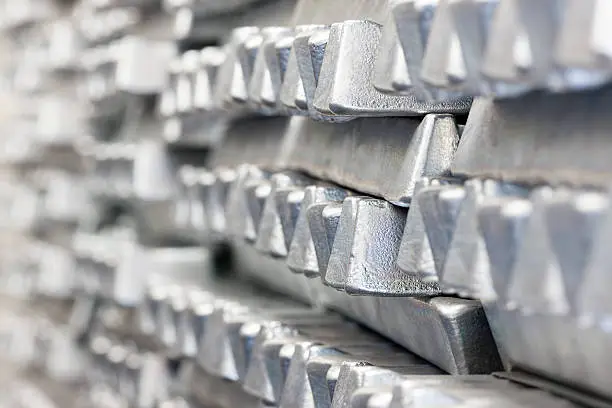
Aluminium prices slid by 1.63% to settle at ₹249.95, driven by improved raw material availability. Major alumina producers in Guinea, Australia, and China ramped up capacity after last year’s disruptions, pushing alumina prices near one-year lows and boosting processing rates for smelters. However, finished aluminium supply could face constraints ahead. Despite China producing a record 44 million tons of aluminium in 2024, output growth is expected to slow due to Beijing’s 45 million ton production cap, aimed at controlling oversupply and reducing carbon emissions.
Trade data showed subdued aluminium exports from China after the removal of tax rebates, prompting local producers to prioritize domestic sales, supporting foreign benchmark prices. In February 2025, China’s aluminium production increased marginally by 0.4% year-on-year but dropped by 95,000 metric tons from January, reflecting the impact of production resumptions and replacement projects amid recovering profitability. JP Morgan forecasts a significant global aluminium market deficit exceeding 600,000 metric tons by 2025, fueled by supply slowdowns, particularly from China. The International Aluminium Institute reported a 2.7% year-on-year rise in global primary aluminium output to 6.252 million tons in January.
Technically, aluminium is in long liquidation, with open interest plunging by 39.38% to settle at 699 contracts. The metal now has support at ₹248, with a further downside test possible at ₹246.1. Resistance is seen at ₹253.2, and a breakout could push prices toward ₹256.5.